
Ticks and Mosquitoes
In Wisconsin, ticks and mosquitoes are a common part of outdoor life. While they can be a nuisance, they also pose health risks by spreading diseases to people. Taking steps to prevent bites is the most effective way to reduce the risk of these illnesses.
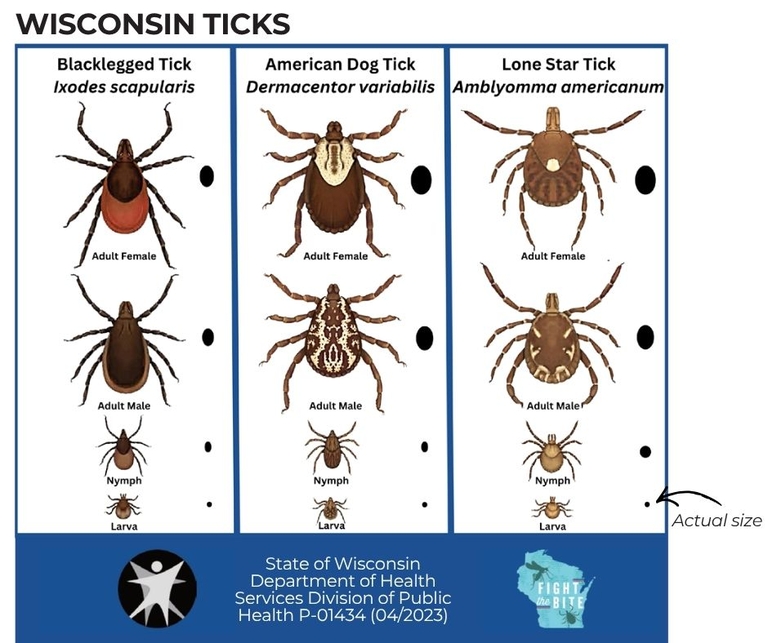
What diseases do ticks carry?
Ticks can carry and spread a variety of diseases caused by bacteria, viruses, and parasites. In Wisconsin, common tickborne diseases include Lyme disease, anaplasmosis, and babesiosis. These illnesses often share symptoms such as fever, fatigue, headache, muscle aches, and sometimes a rash. Not all ticks carry disease, but because it is impossible to tell which ones do, it is important to take all tick bites seriously and monitor for symptoms after exposure.
How do I protect myself and my family from tick bites?
The best way to prevent tickborne illness is to avoid tick bites. When spending time outdoors, wear long sleeves and pants, walk in the center of trails, and avoid tall grass and wooded areas when possible. Use EPA-registered insect repellents. After being outdoors, check your body, children, and pets for ticks, shower soon after coming inside, and wash clothing in hot water. Reducing exposure is the most effective defense against tick-related diseases.
What diseases do mosquitoes carry?
Mosquitoes can transmit viruses that cause illnesses such as West Nile virus, Zika virus, dengue, La Crosse encephalitis, and Jamestown Canyon virus. In Wisconsin, West Nile virus is the most common mosquito-borne disease. Many people infected may have mild or no symptoms, but some can develop serious complications affecting the nervous system. Because it is not possible to tell which mosquitoes carry disease, it is important to prevent mosquito bites at all times.
How do I protect myself and my family from mosquito bites?
To prevent mosquito bites, use insect repellents containing EPA-approved ingredients, wear long sleeves and pants when outdoors, and use screens on windows and doors to keep mosquitoes out of your home. When possible, avoid outdoor activities during peak mosquito activity times such as dawn and dusk. Taking these precautions significantly reduces the risk of mosquito-borne illness.
How do I prevent mosquito breeding grounds?
Mosquitoes lay eggs in standing water, so important to eliminate these sources around your home. Regularly empty items such as buckets, flower pots, birdbaths, gutters, and tires that collect water. Change water in outdoor containers frequently and ensure proper drainage around your property. Even small amounts of standing water can support mosquito breeding, so consistent maintenance is important for prevention.
What should I do if I find a tick?
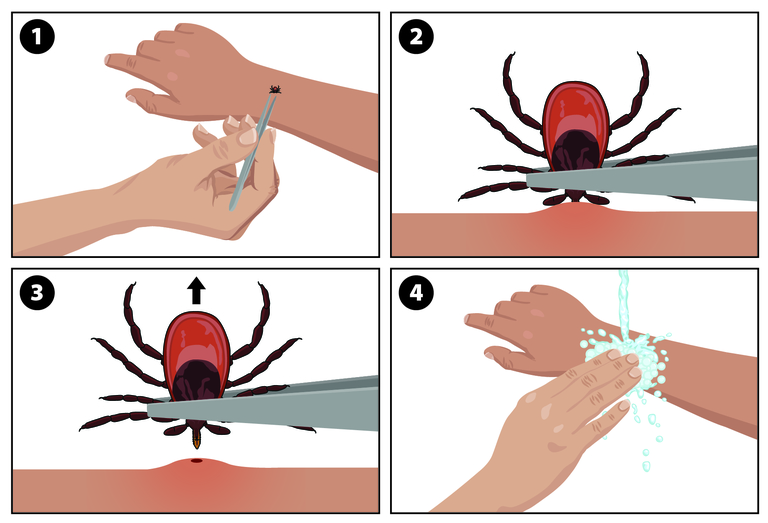
If you find a tick attached to your skin, remove it as soon as possible using fine-tipped tweezers. Grasp the tick close to the skin and pull upward with steady, even pressure. Clean the bite area and your hands with soap and water or alcohol. Monitor for symptoms such as fever, rash, or fatigue over the next few weeks, and contact a healthcare provider if symptoms develop. Prompt removal reduces the chance of disease transmission.
Do ticks bite pets?
Yes, ticks commonly bite pets such as dogs and cats. Like humans, pets can become infected with tickborne diseases, which may cause symptoms like fever, lethargy, or loss of appetite. Regularly check pets for ticks, especially after they spend time outdoors, and consult a veterinarian about preventive treatments such as tick collars or medications to protect your animals.