Flooding
The Crawford County Health Department reminds residents to stay safe during and after flooding. Please keep the following health and safety tips in mind:
What should I know about water safety during flooding?
Residents should avoid swimming or bathing in rivers, streams, creeks, or lakes in flooded areas because floodwater may contain sewage, chemicals, fertilizers, gasoline, pesticides, and dangerous debris. Always assume floodwater is contaminated and keep children and pets out of it.
If your drinking water appears cloudy, has an unusual odor, or is discolored, do not drink it or use it for brushing teeth, preparing food, washing dishes, or making ice. Those on municipal water should contact their utility for updates. Private well owners should test their water after flooding; the Crawford County Health Department provides test kits for families with young children and pregnant women and can be reached at 608‑326‑0229 for more information.
How can I prevent injuries during flood cleanup?
If you are injured while cleaning up after a flood, contact your healthcare provider as soon as possible, as cuts and puncture wounds may require treatment or a tetanus shot. Wash your hands frequently with soap and water, and wear sturdy footwear, long pants, long sleeves, and heavy gloves to prevent injuries and infection. If you experience a wound, clean it immediately with soap and water, dry it, and cover it with a clean bandage. Your healthcare provider can help determine whether you need a tetanus booster.
What should I know about food safety after a flood?
Floodwater can contaminate food, so any items that came into contact with floodwater should be thrown away. When in doubt, throw it out. Parents should use only canned infant formula that requires no added water until water safety is confirmed. If the power has been out for more than two hours, perishable foods in the refrigerator should be discarded, and frozen foods that have thawed should only be consumed immediately or thrown away.
How should I manage garbage after a flood?
Household garbage, including food waste, should be placed in waterproof containers to prevent attracting animals and insects. Whenever possible, use sturdy containers that can remain sealed until pickup.
What electrical and physical hazards should I watch for?
Avoid all downed power lines and anything touching them, and contact your utility company before attempting to restore power. Generators should only be used in well‑ventilated areas. Floodwater can conceal debris such as glass or metal, so avoid wading through water without proper footwear. When cleaning up, wear gloves, protective eyewear, and clothing. Boats should also be used cautiously, as submerged hazards may not be visible.
How can I reduce insect problems after flooding?
Residents should use insect repellent containing DEET when outdoors, unless advised otherwise by a healthcare provider. Removing standing water from items such as buckets, tires, boats, and tarps helps reduce mosquito breeding sites and prevents further insect-related issues.
What should I know about animal safety after a flood?
Wild animals such as raccoons and skunks may be displaced from their homes and could appear in unusual places. Avoid contact with unfamiliar cats and dogs, and if you are bitten, contact your healthcare provider, local law enforcement, or the Crawford County Health Department. Before entering buildings like garages or sheds, inspect them carefully, as animals may have taken shelter there during flooding.
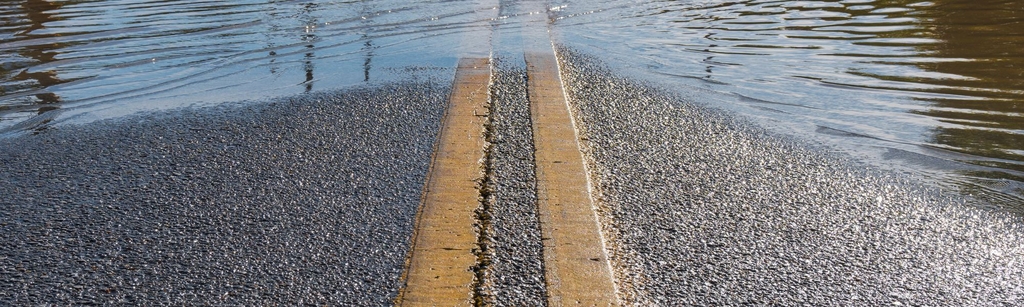
Should I drive through flood water?
Six inches of water can reach the bottom of most passenger cars, causing drivers to lose control and potentially stall out. With just one foot of water, many vehicles will begin to float, making steering and braking extremely difficult. At two feet, rushing water can carry away most vehicles entirely—including SUVs and pickup trucks—creating a highly dangerous situation for anyone attempting to drive through flooded areas.
What if there is mold after a flood?
Individuals with breathing problems, asthma, or weakened immune systems should avoid areas with mold, as exposure can worsen health conditions. During cleanup, it’s important to wear safety gear to protect your skin, eyes, and lungs, avoid touching mold with bare hands. Keep windows and doors open to help speed up drying, and clean hard surfaces using a mixture of 1 cup of bleach per 1 gallon of water. Never mix bleach with ammonia or any other cleaners, as this can create dangerous fumes.
For questions about flood health and safety, or for water test kits, please contact the Crawford County Health Department at 608‑326‑0229.
Additional Resources: