
Extreme Heat/Cold
Crawford County health department works to protect residents during extreme heat or cold weather by providing timely public health information, safety guidance, heat advisories and cold weather events. We coordinate with local agencies to share information about cooling and warming centers, community resources, and help identify vulnerable populations who may need additional support.
What are the signs of heat exhaustion and heat stroke?
Heat-related illnesses occur when the body is unable to cool itself properly. Heat exhaustion symptoms include heavy sweating, weakness, dizziness, nausea, headache, and muscle cramps. Heat stroke is more severe and can include a high body temperature, confusion, loss of consciousness, and hot, dry skin or heavy sweating. Heat stroke is a medical emergency and requires immediate attention. Older adults, young children, individuals with chronic medical conditions, and those who work or exercise outdoors are more vulnerable. People without access to air conditioning or proper shelter are also at increased risk.
How can I stay safe during extreme heat?
Stay in air-conditioned spaces as much as possible and avoid outdoor activities during the hottest parts of the day, typically mid-afternoon. Drink plenty of water, even if you do not feel thirsty. Avoid alcohol and excessive caffeine, as they can contribute to dehydration. Wear lightweight, loose-fitting clothing. Use fans, take cool showers, and rest frequently if you must be outside. Check on neighbors, older adults, young children, and individuals with medical conditions.
Children and pets are especially sensitive to heat and can become ill quickly. Keep them in cool, shaded, or air-conditioned environments and ensure they have plenty of water. Walk pets during cooler parts of the day and avoid hot pavement that can burn their paws. Never leave children or pets in parked vehicles.
How can I keep my home cool?
Keep blinds or curtains closed during the day to block sunlight and use fans or air conditioning to maintain a comfortable temperature. Limit the use of ovens and other heat-producing appliances during the hottest times of the day. Opening windows at night when temperatures drop can help cool your home. If your home becomes too hot, consider going to a public place with air conditioning.
Does the Crawford County have cooling centers?
Crawford County does not have designated cooling centers. Public spaces may be available during periods of extreme heat to provide a safe, air-conditioned space for residents. Locations and hours can vary depending on conditions. The public may contact the Crawford County Communications Center at 608-326-8414, and they will notify Emergency Management to assist you with an available cooling space.
What are the signs of frostbite and how quickly can it happen in extreme cold?
Frostbite is an injury caused by freezing skin and underlying tissue, most commonly affecting fingers, toes, ears, nose, and cheeks. Early signs include redness, tingling, numbness, or pain, followed by hard or pale skin as the condition worsens. In extreme cold and windy conditions, frostbite can occur in as little as 10–30 minutes on exposed skin. Immediate action, such as moving to a warm place and gently warming the affected area, is important to prevent permanent damage.
What is hypothermia?
Hypothermia occurs when the body loses heat faster than it can produce it, causing a dangerously low body temperature. Symptoms may include shivering, confusion, slurred speech, drowsiness, and lack of coordination. Severe hypothermia can be life-threatening and requires immediate medical attention. It can happen even in moderately cold temperatures, especially if a person is wet or not dressed properly.
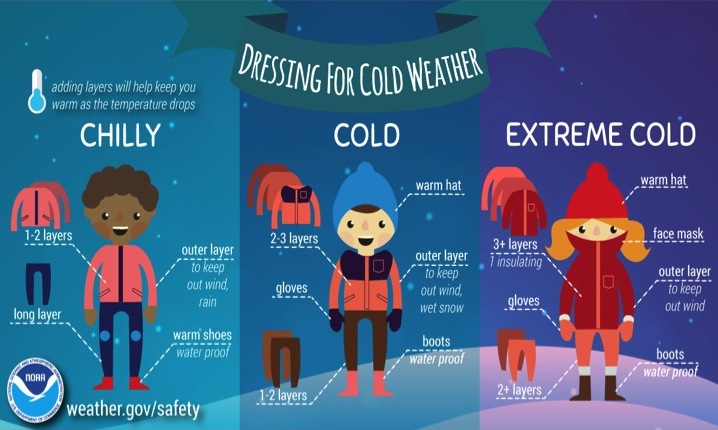
How should I dress during dangerous cold weather?
Dress in layers to stay warm and dry.
Is it safe to shovel snow in extreme cold?
Shoveling snow can be physically demanding and may increase the risk of heart attack, especially in cold weather. Take frequent breaks, dress warmly, and avoid overexertion. If you have a history of heart problems or are not used to strenuous activity, consider asking for help. Pay attention to warning signs such as chest pain, shortness of breath, or dizziness, and stop immediately if they occur.
How can I safely heat my home without risking carbon monoxide poisoning?
Use heating equipment safely by ensuring furnaces, fireplaces, and space heaters are properly maintained and ventilated. Install carbon monoxide detectors on every level of your home and check batteries regularly. Never use ovens, stovetops, or outdoor grills to heat your home. Keep space heaters at least three feet away from flammable materials and never leave them unattended.
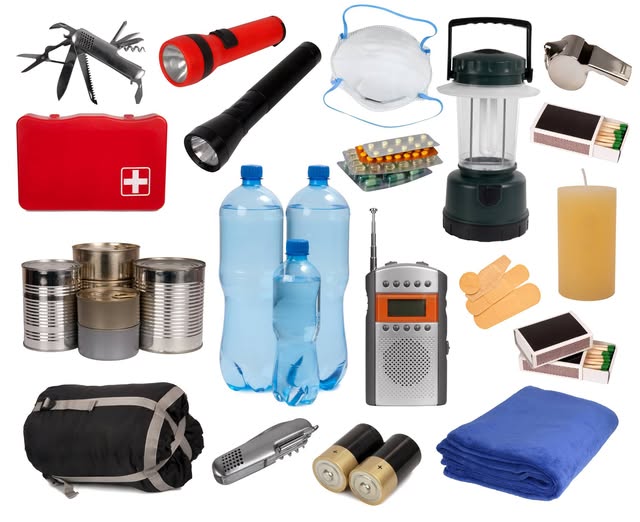
What items should I keep in my emergency kit?
An emergency kit for extreme cold should include blankets, warm clothing, non-perishable food, water, a flashlight, batteries, a first aid kit, medications, a phone charger, and a battery-powered radio. You may also want to include hand warmers, extra blankets, and supplies for pets. Keeping your vehicle stocked with similar items is also recommended during winter travel.
Does Crawford County have warming centers?
Crawford County does not have designated warming centers. Public spaces may be available during periods of extreme heat to provide a safe, heated space for residents. Locations and hours can vary depending on conditions. The public may contact the Crawford County Communications Center at 608-326-8414, and they will notify Emergency Management to assist you with an available warming space.
Additional Resources:
Build an emergency kit for people with disabilities